A federal bill would give Americans a property right in their voice
The NO FAKES Act, introduced in 2024 and reintroduced in 2025, remains pending in committee and has not become law as of this record.
- Historical event
- July 31, 2024
- First source published
- July 31, 2024
- Site publication
- September 18, 2026
What happened
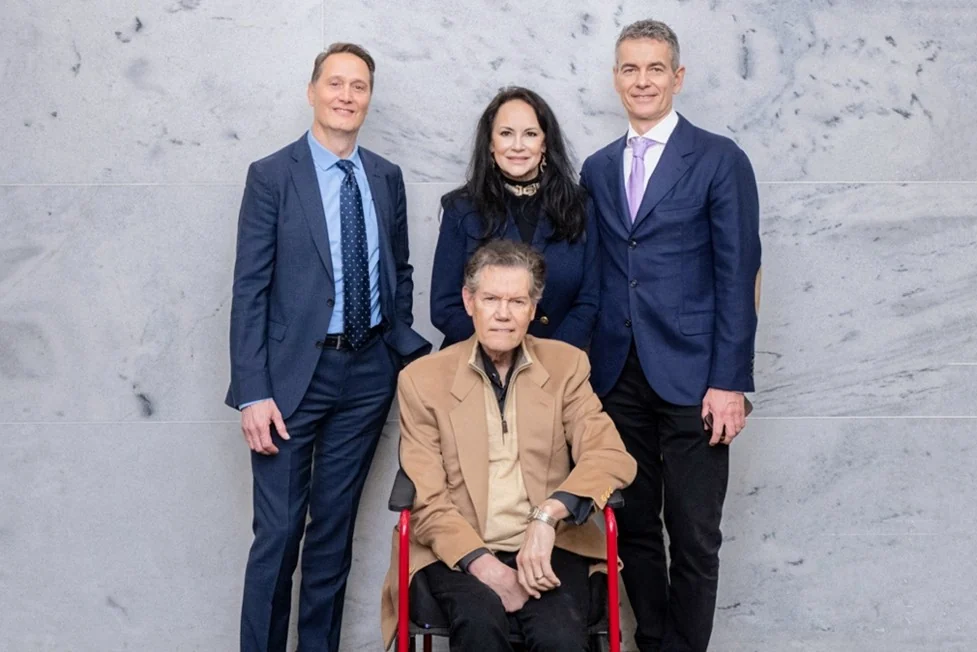
On 31 July 2024, Senator Chris Coons introduced the NO FAKES Act — the Nurture Originals, Foster Art, and Keep Entertainment Safe Act of 2024 — in the US Senate, co-sponsored by Senators Marsha Blackburn, Amy Klobuchar and Thom Tillis. The bill was read twice and referred to the Senate Judiciary Committee the same day and saw no further recorded action in that Congress. On 9 April 2025, the same core sponsors reintroduced an updated version in the 119th Congress, this time appearing publicly with country singer Randy Travis and Warner Music Group chief executive Robert Kyncl at a Capitol Hill event.
What the documents say
The bill text of S.4875, the 2024 version, defines a 'digital replica' as a 'newly-created, computer-generated, highly realistic electronic representation' of a person's voice or likeness in which they did not actually perform, and creates a 'digital replication right' that is a property right, licensable, not assignable during the person's life, and that survives death for at least ten years. RIAA's 2025 statement on the reintroduction describes the bill's aims as giving 'every American the right to protect their voice and likeness' while letting user-generated content platforms 'avoid liability by promptly removing unauthorized deepfakes' once notified. Congress.gov's own tracker for the 2025 bill, S.1367, shows its status as 'Introduced' as of this record's retrieval, with no vote scheduled in either chamber.
Why it matters for makers
The mechanism worth naming is that this would be a property right in a specific digital replica, sitting alongside copyright rather than replacing it — a session player's performance can be copyrighted while a synthetic replica of their voice, made without them performing at all, would need separate authorisation under this bill. For makers, the practical consequence of the bill's current status is that no federal replica right yet exists; state laws like Tennessee's ELVIS Act currently do the work this bill would eventually do nationally, unevenly and only where such a statute has passed.
What to check before you use it
Because the NO FAKES Act has not passed, a maker cannot rely on it for present-day protection or clearance and should continue checking state right-of-publicity law, platform policy and direct consent instead; anyone citing the bill in a client conversation should be precise that it remains introduced and referred to committee, not enacted, as this record was prepared.
- Does the relevant state already have a right-of-publicity statute covering voice, regardless of federal status?
- Is the digital replica involved here one the person did not actually perform at all?
- Has this bill's status changed since 16 September 2026, and should that be rechecked before relying on it?
Two consecutive Congresses now show bipartisan sponsorship and broad industry support behind the same core text, which suggests durable momentum, but momentum is not law, and the bill's own tracker record is the clearest evidence of exactly how far it has and has not travelled.
Sources & reading trail
The bill's own text and Library of Congress status record: sponsors, introduction date, and committee referral.
Source published: 31 July 2024 · Retrieved: 16 September 2026
Confirms the 2025 reintroduction date and that the bill's status remains 'Introduced' as of retrieval.
Source published: 9 April 2025 · Retrieved: 16 September 2026
Industry account of the bill's stated aims and the appearance of Randy Travis and Robert Kyncl at the reintroduction.
Source published: 9 April 2025 · Retrieved: 16 September 2026
Papers, terms and official documents establish the record; the maker reading and the checks are Signal to Song editorial analysis. This retrospective draft does not imply the site published on the event date.
Continue reading
- Tennessee made voice a protected property right against AI clones
- YouTube extended Content ID-style detection to AI likeness
- Music groups published seven AI principles together
- Browse the complete the archive
Sources & reading trail
- S.4875 - NO FAKES Act of 2024 (118th Congress)
Source published: July 31, 2024 · Retrieved: September 16, 2026 - S.1367 - NO FAKES Act of 2025 (119th Congress)
Source published: April 9, 2025 · Retrieved: September 16, 2026 - RIAA Supports NO FAKES Act as Senators and Representatives Reintroduce Landmark Bill
Source published: April 9, 2025 · Retrieved: September 16, 2026
The documents above establish the record. The reading and the questions are this publication’s editorial analysis, written after the fact.
Published September 18, 2026, not on the date of the event described.