Fingerprint matching finds registered recordings, not resemblance
Audible Magic and Content ID documentation describe matching acoustic fingerprints, not judging style or originality.
- Site publication
- September 18, 2026
What happened
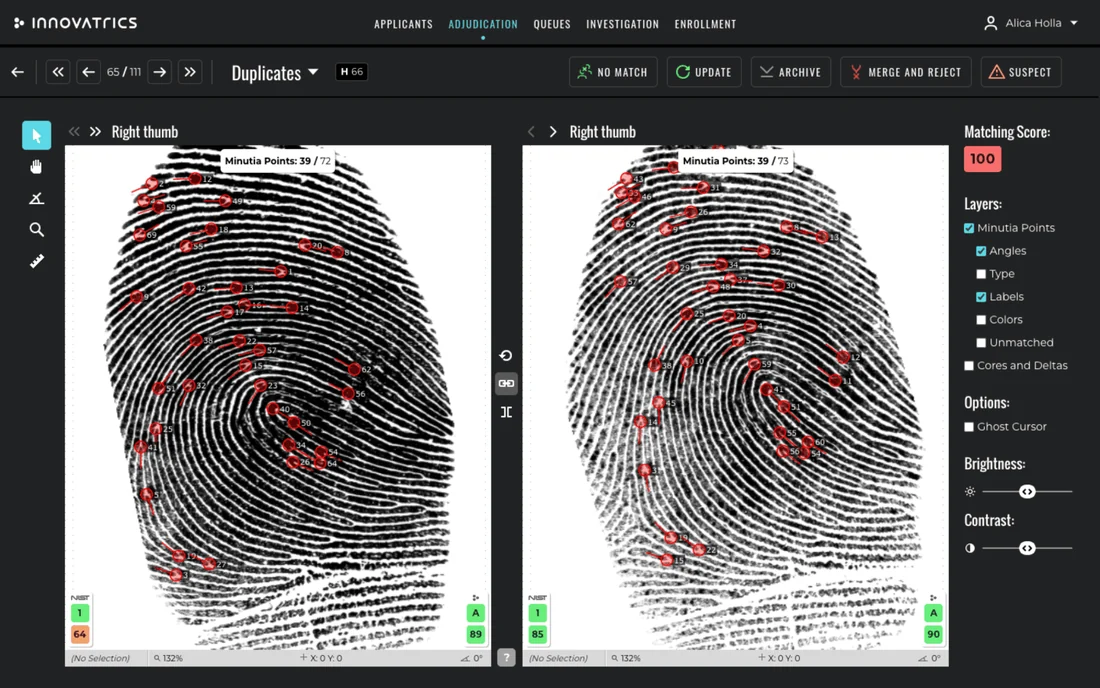
Audible Magic operates as an intermediary between rights holders and the platforms people upload music to. Its company site, as retrieved on 16 September 2026, describes 'automated content identification' used by social platforms including Facebook, SoundCloud, Dailymotion and Twitch, serving labels, studios, publishers and collecting societies. This sits alongside YouTube's own Content ID, which similarly matches uploads 'against a database of audio and visual files submitted by copyright owners'. Neither is a single dated launch; both describe an ongoing matching service that a rights holder must register with before their recordings can be found.
What the documents say
The Audible Magic solutions page states the service can 'verify the proper rights holders of video and audio content, original music recordings, or covers', built on what it calls 'one of the largest content registries'. YouTube's help page states that a match produces a 'Content ID claim', without publishing the matching threshold or algorithm. Both documents describe fingerprinting against a registered reference recording, not a general judgement of style. Neither page states, and this record does not claim, that either system can identify a newly generated track that merely resembles a registered recording's style without reproducing its audio.
Why it matters for makers
The mechanism is matching a submitted file's acoustic fingerprint against recordings that a rights holder has actually registered; it is not a judgement of originality or a copyright ruling. A generated track built from a prompt describing 'a song like X' will usually not match X's fingerprint unless the model reproduced audible content close enough to trip the same acoustic features, because fingerprinting works on the recording, not the idea of a style. That gap matters in both directions: a clean fingerprint check is not a clearance, and a claim is not automatically a finding that infringement occurred, only that acoustic features matched a registered file.
What to check before you use it
Before releasing a track built with a generator, check the distributor's stated Content ID or fingerprint policy for AI-assisted output, since a claim can still be filed on a resemblance the platform's system flags. Where a generated stem sounds close to a known recording, do not rely on a clean fingerprint scan as a licence opinion; that is an editorial reading beyond what either document promises. Ask the platform which registry it checks against, since Content ID and Audible Magic serve different platforms with different registered catalogues.
- Which fingerprint registry does the platform you are releasing to actually check against?
- Would a generated track resembling a known song's style, without reproducing its audio, be expected to match at all?
- Does a fingerprint claim, if one arrives, state an infringement finding or only a acoustic match requiring your response?
Fingerprinting protects registered recordings from being redistributed unlicensed; it was not built to answer whether a generated track's resemblance to a style crosses a legal line, and the vendor documents make no such claim.
Sources & reading trail
Describes the company's automated content identification serving named platforms and rights holders.
Source published: Not established · Retrieved: 16 September 2026
States the identification service verifies rights holders of recordings and covers via a content registry.
Source published: Not established · Retrieved: 16 September 2026
Describes YouTube's Content ID as matching uploads against a database of files submitted by copyright owners.
Source published: Not established · Retrieved: 16 September 2026
Papers, terms and official documents establish the record; the maker reading and the checks are Signal to Song editorial analysis. This retrospective draft does not imply the site published on the event date.
Continue reading
- YouTube's own blog places Content ID's launch in 2007
- Get a license or do not sample, a court held in 2005
- An open database made music credits editable, not automatically true
- Browse the complete the archive
Sources & reading trail
- Audible Magic — Content Identification and Rights Management
Retrieved: September 16, 2026 - Audible Magic Solutions
Retrieved: September 16, 2026 - How Content ID works
Retrieved: September 16, 2026
The documents above establish the record. The reading and the questions are this publication’s editorial analysis, written after the fact.
Published September 18, 2026, not on the date of the event described.