Randy Travis used AI to sing again with his own consent
Warner Music Nashville used a reference vocal and AI modelling to let Randy Travis release new vocals after aphasia silenced him.
- Historical event
- May 3, 2024
- First source published
- May 6, 2024
- Site publication
- September 18, 2026
What happened
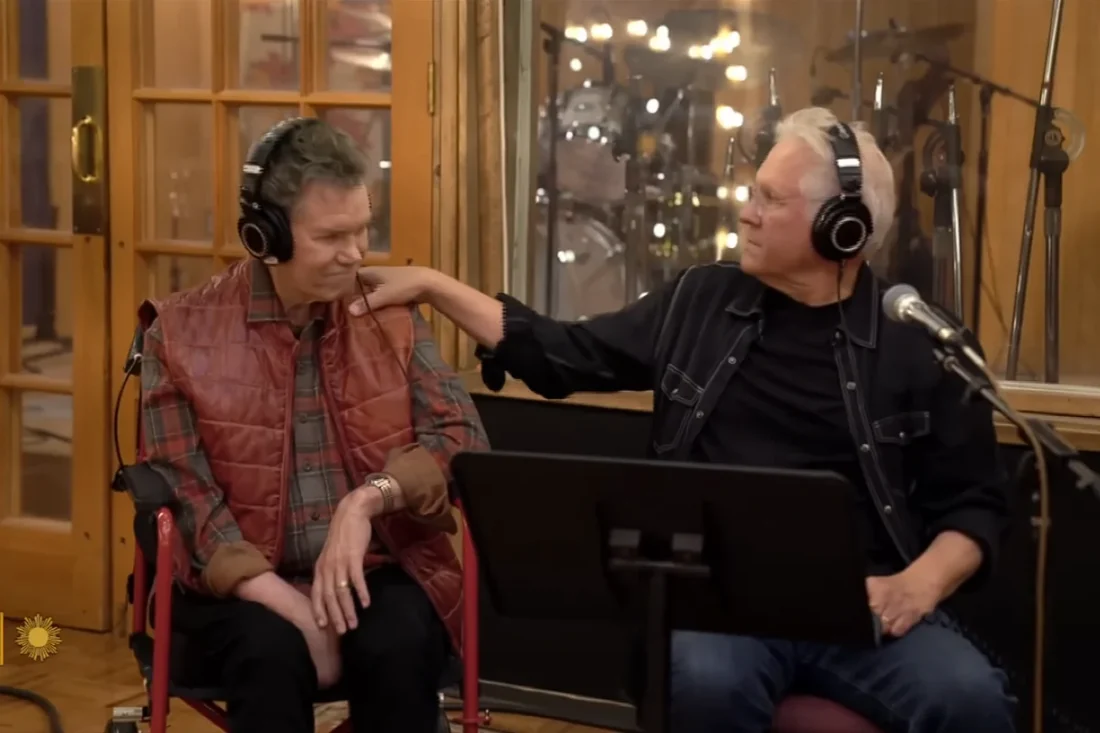
On 3 May 2024, country singer Randy Travis and Warner Music Nashville released 'Where That Came From', his first new vocal performance in over a decade. Travis survived a stroke in 2013 that left him with aphasia and severely limited speech. According to Warner Music Group's own announcement, the label's Nashville co-chair Cris Lacy asked what 'AI for good' would look like and answered by connecting with Travis and his longtime producer Kyle Lehning to attempt exactly this recording.
What the documents say
Warner Music Group's press release states that Lehning identified 'Where That Came From', a song 'originally recorded — but not released — by James Dupre', as the starting point, and that he and Travis then spent months 'working with Travis's vocals and putting a human touch, millisecond by millisecond, on every note'. That description names the mechanism: an existing reference vocal, reshaped through an AI voice model trained on Travis's own historic recordings, then hand-edited by his own producer rather than generated and released untouched. Travis is directly quoted: 'I'm able to create the music I so dearly love... working with Kyle Lehning and Warner Music Nashville again has been so special.' A later RIAA account, from October 2024, confirms Travis and his wife Mary went on to advocate publicly for the NO FAKES Act on the strength of this experience.
Why it matters for makers
This case sets a template rarely available elsewhere: the voice's own owner directed the session, approved the result, and retained his longtime producer as the human check on every note. The mechanism — consent plus a reference performance plus manual correction — is the opposite of prompting a generator for a finished vocal; it sits closer to a heavily assisted overdub than to synthesis from nothing. For makers, the lesson is procedural: an AI-assisted vocal built this way carries a paper trail of consent and authorship that a scraped clone never can.
What to check before you use it
A producer offered a similar AI-assisted vocal restoration should confirm, in writing, that the voice's owner, or their estate where relevant, directly authorised the specific recording, that a credited human collaborator shaped the final performance, and that the source material used to build the voice model came from the artist's own catalogue rather than third-party recordings. These are editorial extensions of what Warner's account documents, not requirements it states outright.
- Did the voice's owner personally approve this specific recording, not just the underlying technology?
- Is there a credited human producer who shaped or corrected the AI-assisted performance?
- Does the announcement name the reference material the voice model was built from?
Randy Travis's case became a reference point in the NO FAKES Act debate precisely because it demonstrates consent and craft together; makers citing it as precedent should preserve both elements, not just the technical capability.
Sources & reading trail
Warner Music Group's own account of the release date, the process, and quotes from Cris Lacy and Randy Travis.
Source published: 6 May 2024 · Retrieved: 16 September 2026
RIAA's account of Travis's subsequent advocacy for AI voice protections and the NO FAKES Act.
Source published: 17 October 2024 · Retrieved: 16 September 2026
Papers, terms and official documents establish the record; the maker reading and the checks are Signal to Song editorial analysis. This retrospective draft does not imply the site published on the event date.
Continue reading
- A federal bill would give Americans a property right in their voice
- Tennessee made voice a protected property right against AI clones
- Browse the complete the archive
Sources & reading trail
- Randy Travis Returns With First New Music in More Than a Decade
Source published: May 6, 2024 · Retrieved: September 16, 2026 - Randy Travis Receives Career Plaque Commemorating 23 Million Certified Units
Source published: October 17, 2024 · Retrieved: September 16, 2026
The documents above establish the record. The reading and the questions are this publication’s editorial analysis, written after the fact.
Published September 18, 2026, not on the date of the event described.